
Economic Development
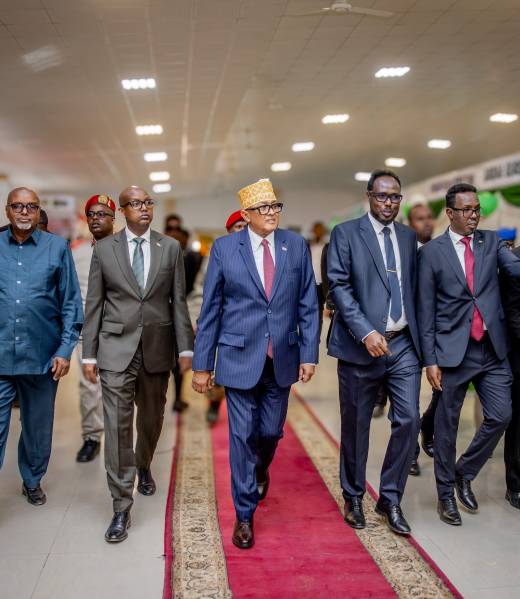
President Irro’s new government places economic development at the center of its national vision, recognizing that sustainable growth is the foundation of political stability, social cohesion, and long-term prosperity. The administration approaches economic reform through the lens of good governance, understanding that strong institutions, transparency, and accountability are essential for building a resilient and productive economy. By prioritizing sound economic management and responsible leadership, the government aims to move the country toward a development model that delivers real and measurable benefits to citizens.
A core focus of the new government is creating a stable and predictable economic environment. Clear policies, consistent regulations, and respect for the rule of law are being emphasized to encourage investment and reduce uncertainty. President Irro’s administration recognizes that both local entrepreneurs and international investors require confidence in government systems, contract enforcement, and financial governance. Strengthening public financial management, improving revenue collection, and ensuring efficient use of public funds are seen as critical steps toward macroeconomic stability and sustainable growth.
Private sector development is a central pillar of the government’s economic strategy. The administration views the private sector as the primary engine of job creation and innovation, and is committed to reducing bureaucratic barriers that hinder business growth. By simplifying licensing processes, improving access to finance, and supporting entrepreneurship, the government aims to empower small and medium-sized enterprises to expand and compete. Special attention is being given to youth-led and women-led businesses, recognizing their vital role in driving inclusive economic growth and reducing unemployment.
Infrastructure development is another key priority under President Irro’s economic agenda. The government understands that roads, ports, energy, water systems, and digital infrastructure are the backbone of economic productivity. Investments in infrastructure are intended not only to improve connectivity and service delivery, but also to stimulate economic activity and attract investment across multiple sectors. By focusing on strategic infrastructure projects, the administration seeks to unlock regional trade, enhance market access, and support long-term economic integration.
The new government also emphasizes economic diversification as a pathway to resilience. Overreliance on a narrow range of economic activities exposes the country to external shocks and limits growth potential. President Irro’s administration is therefore focused on developing productive sectors such as agriculture, livestock, fisheries, trade, and emerging industries. By supporting value addition, improving productivity, and encouraging innovation, the government aims to transform traditional sectors into more competitive and sustainable contributors to the national economy.
Good governance plays a central role in ensuring that economic growth is fair and inclusive. The administration is committed to fighting corruption, strengthening oversight institutions, and promoting transparency in public procurement and economic decision-making. These measures are designed to ensure that economic opportunities are not concentrated in the hands of a few, but are distributed equitably across society. By improving governance standards, the government seeks to restore public trust and ensure that development policies translate into tangible improvements in people’s lives.
